Unfortunately, looking back at historical events, and reading them from a new perspective, is the only way we can know for sure what the effects of certain events will turn out to be--or if a cause truly justified the actions we took. This was exactly the situation faced by the scientists who helped the U.S. government build the first atomic weapon.

Einstein Writes the President
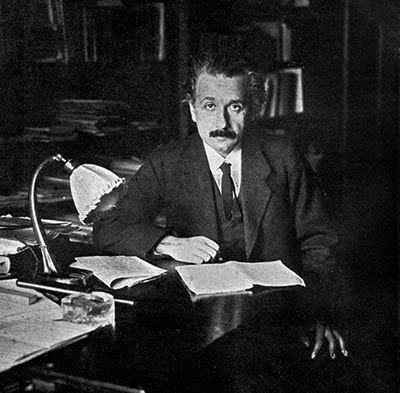
In August of 1939, no one was sure if an atomic bomb was even possible. But as another World War became inevitable in Europe, the world-famous physicist Albert Einstein wrote to United States President Franklin D. Roosevelt, urging him to build a nuclear bomb before Hitler did.
The Birth of the Bomb
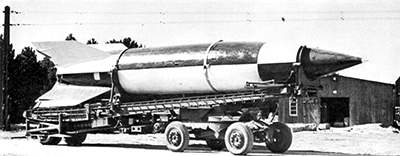
Einstein worried that if the Nazis developed an atomic bomb before the United States, they would be unstoppable. His letter convinced Roosevelt to begin collecting uranium, an early first step in building nuclear weapons.
Einstein's Regret
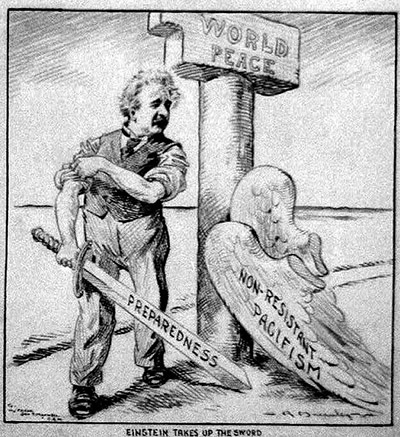
Einstein was a peaceful person, and opposed all forms of war. After the bombings of Hiroshima and Nagasaki, Einstein regretted convincing Roosevelt to pursue nuclear weapons. He later said, "Had I known that the Germans would not succeed in producing an atomic bomb, I would not have lifted a finger."

Question
Why did Einstein regret asking Roosevelt to begin developing nuclear weapons?
