By 38 weeks of development, the fetus is ready to be born. Its organs are mature enough to take over the important functions that the mother’s body has been responsible for during pregnancy. In most cases, the fetus has turned head-down and shifted lower in the birth canal, causing the mother to feel “lightening.” Labor, the work of childbirth, can begin.
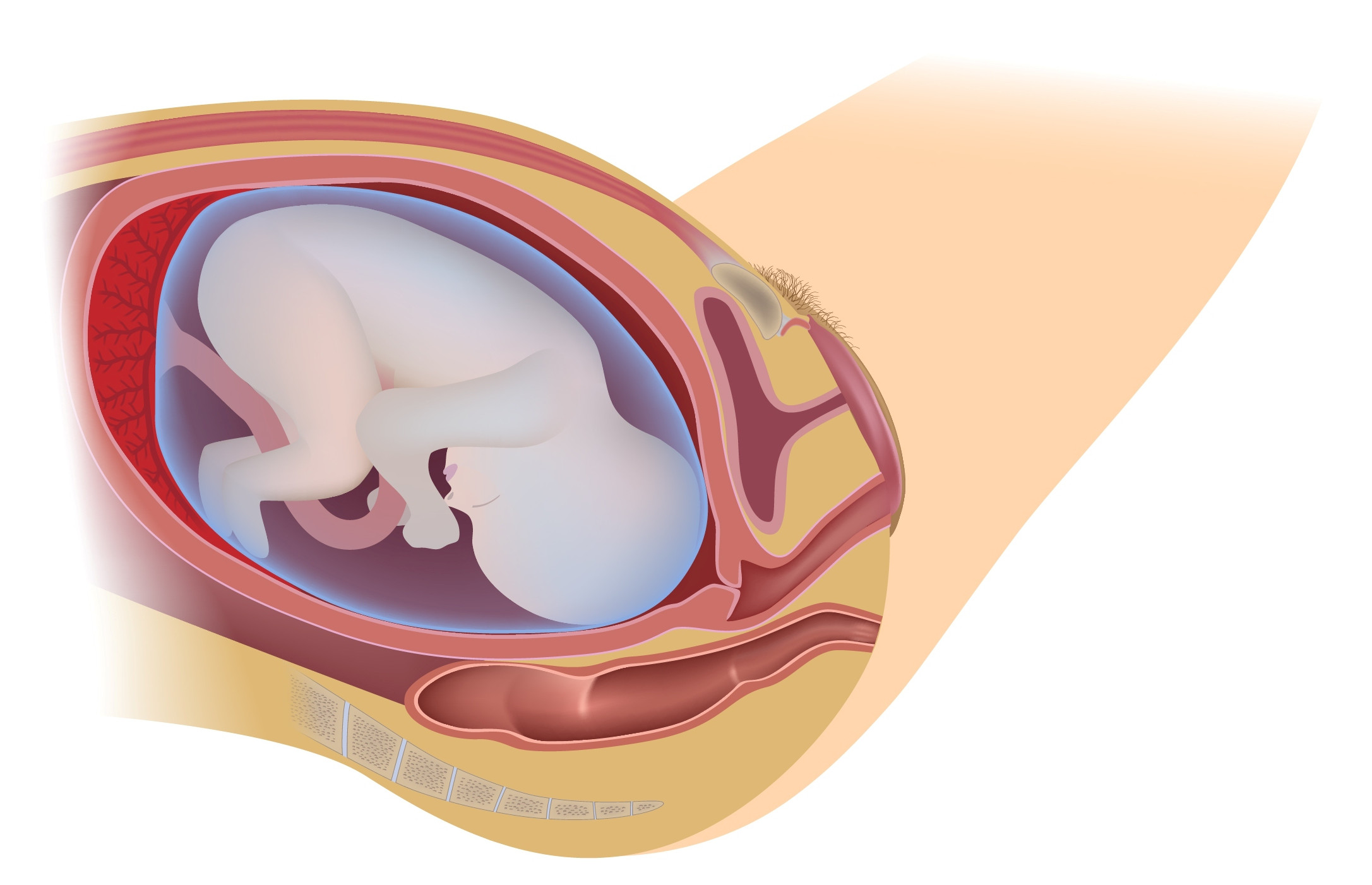
Labor is divided into three stages.
Stage 1
Stage 2
Stage 3
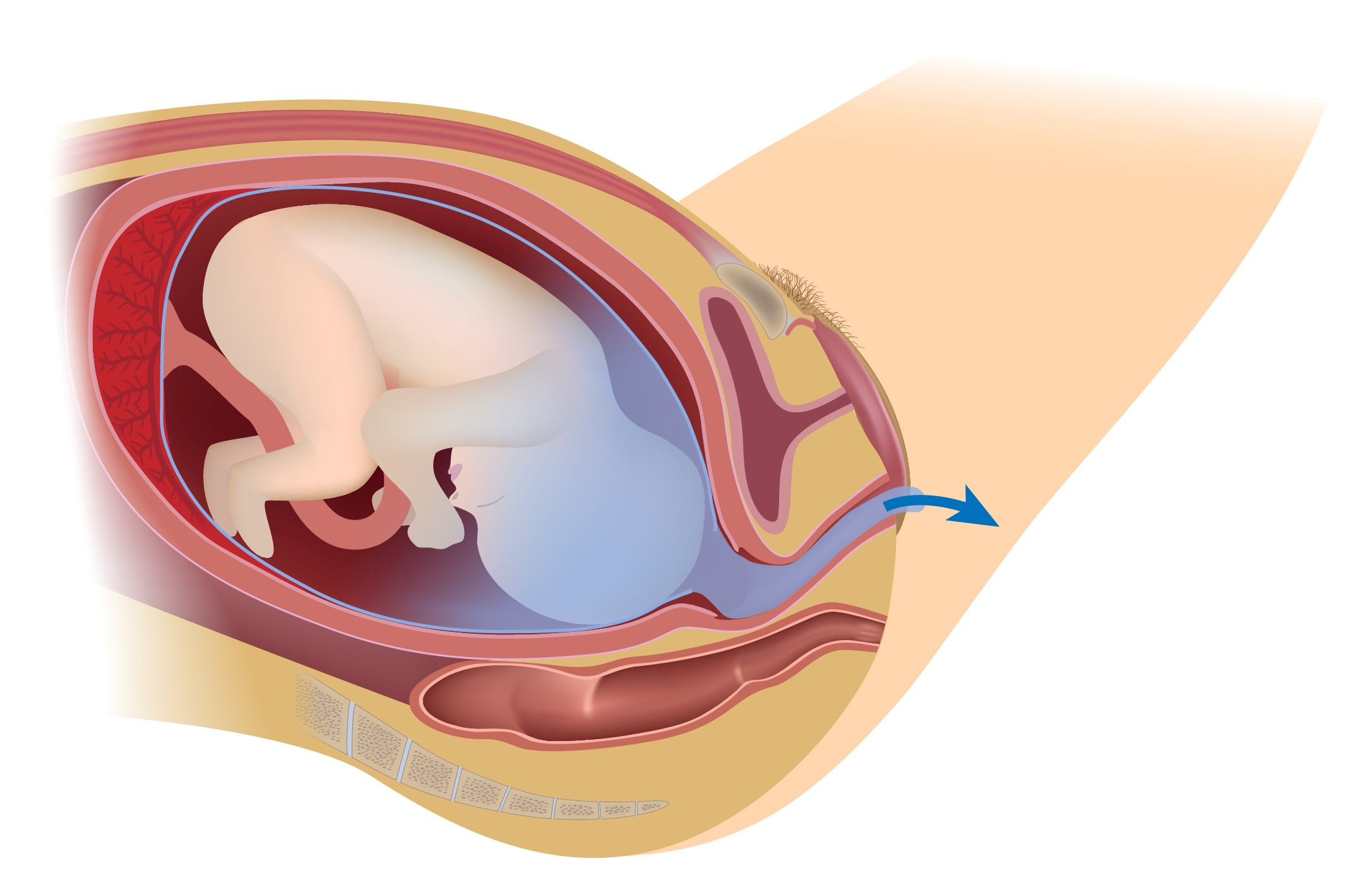
The first stage of labor is all about the thinning and dilation (opening) of the cervix, the thick ring of muscle at the base of the uterus. Contractions, the tightening and releasing of the uterus, gradually make the cervix wider and thin it from about ¾ inch (19mm) to the thickness of a sheet of paper.
During this stage, the amniotic sac that surrounds the fetus usually breaks, and the mother experiences a gush of warm amniotic fluid. This event is known as “breaking the waters.”
By the end of Stage 1, the cervix is fully dilated to 4 inches (10cm), and the fetus’s head slips out of the uterus and into the top of the vagina.
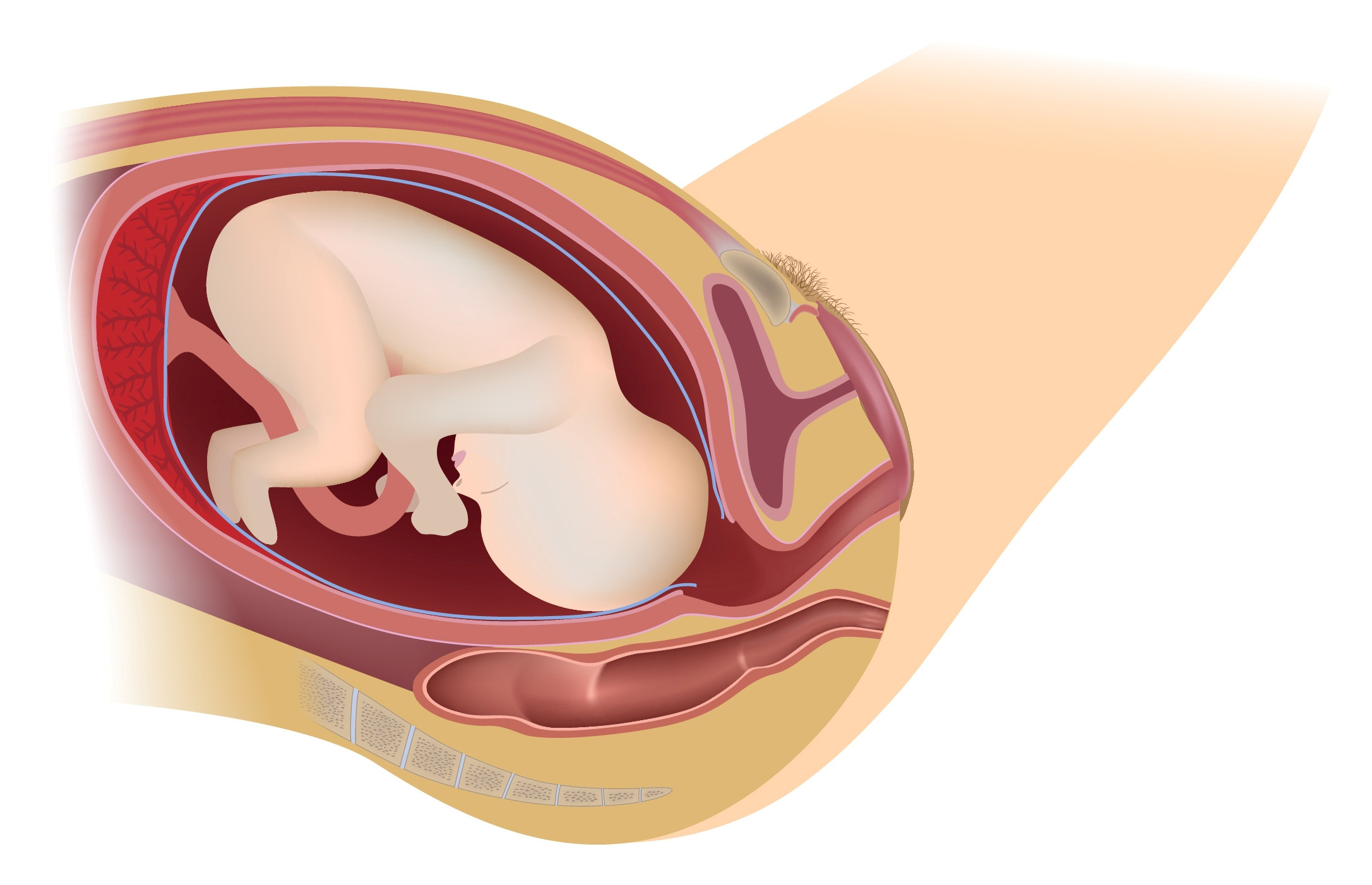
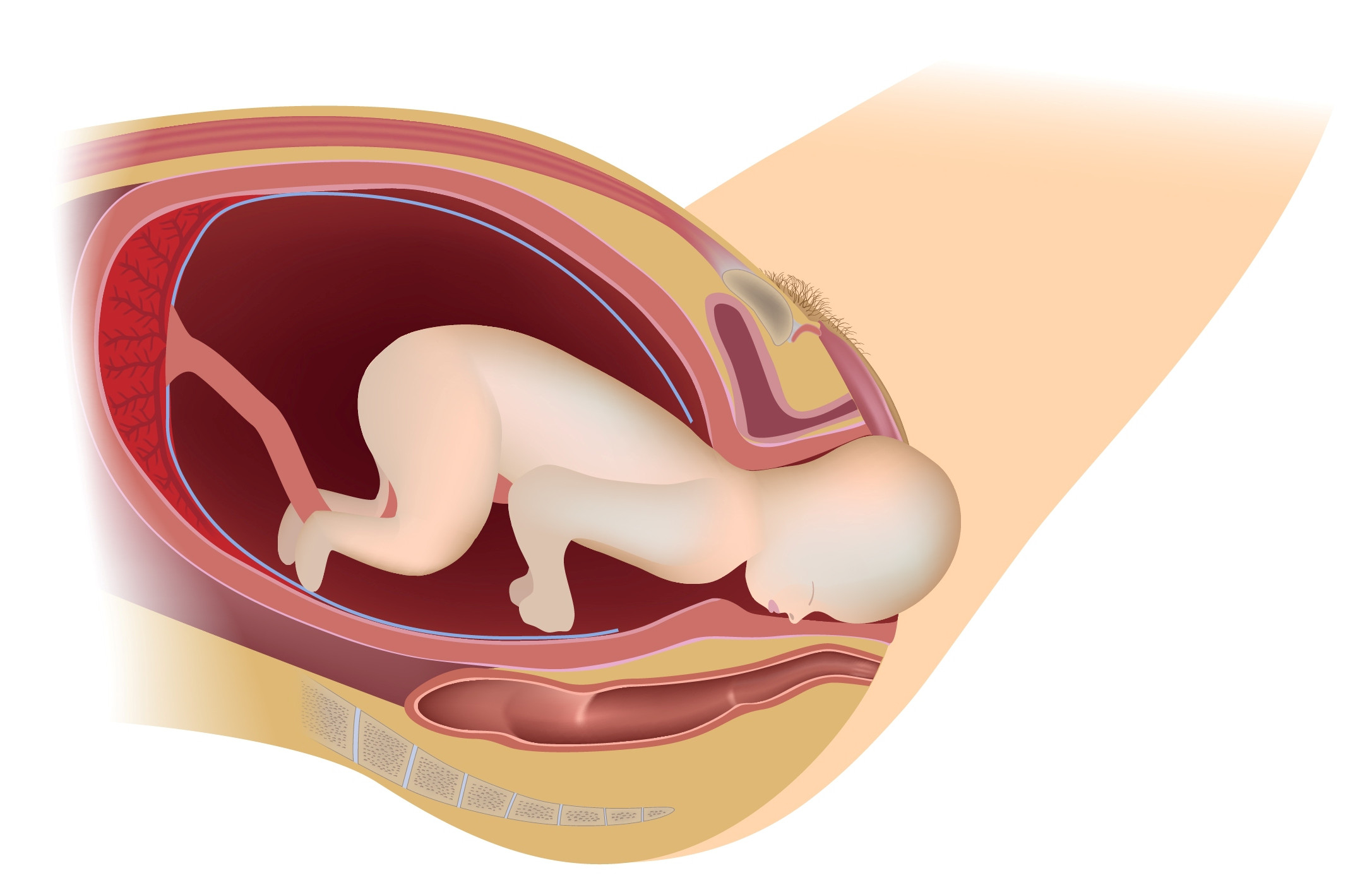
As the mother pushes, the fetus begins to descend through the birth canal. “Crowning” refers to the moment the top of the fetus’s head appears at the opening to the vagina. The head, which has changed shape because of its passage through the narrow birth canal, emerges first, followed by the shoulders. These are the widest parts of the fetus, and the rest of the body slips out easily.
During Stage 2, much of the amniotic fluid that is in the fetus’s respiratory tracts gets squeezed out, preparing the infant for its first breath of air.
After the infant is delivered and breathing on its own, the umbilical cord is clamped and cut.
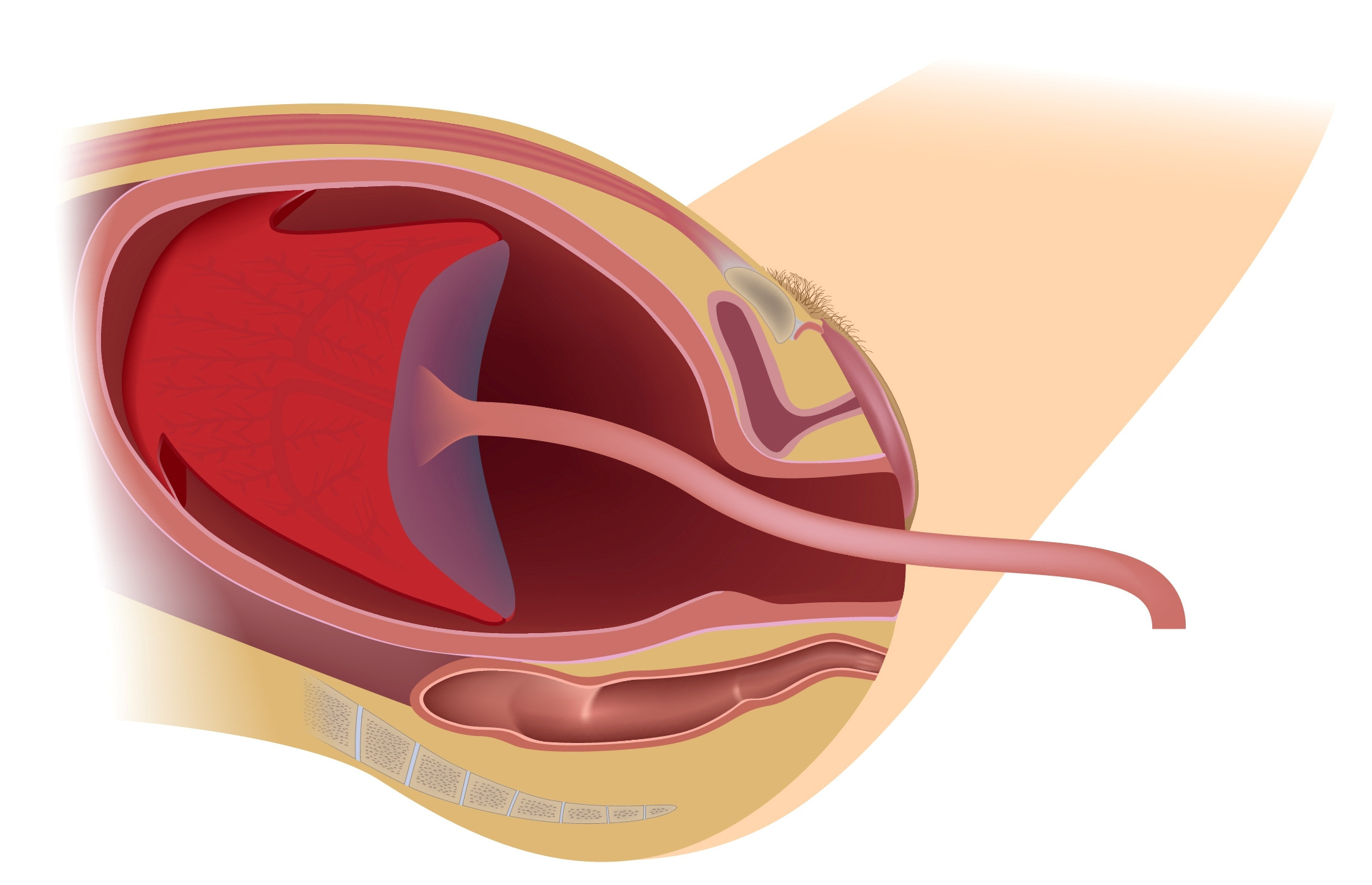
The final stage of labor is delivery of the placenta. This temporary organ, which served to transfer nutrients and oxygen to the fetus and return wastes to the mother for removal, is no longer needed. If the woman becomes pregnant again, she will grow a new one.
Question
It is sometimes necessary for a baby to be delivered by cesarean section, surgical removal through the mother’s abdomen. Given what you’ve just learned about the birth process, what differences might you expect between babies born this way and babies born vaginally?
Babies born by cesarean section will not have their heads shaped by passage through the birth canal. They will also not have amniotic fluid squeezed from their respiratory tracts.
