Mountains generally form at convergent or divergent plate boundaries. Convection currents in the magma beneath the earth's plates cause the magma to move, shifting the plates that rest upon it. As the plates move, they travel either toward each other, away from each other, or side by side along each other. When plates move toward each other (converge), they can cause subduction, folding and buckling of the land and breaking of bedrock into faults--all of which can form mountains. When plates move away from each other (diverge), magma from beneath the Earth's surface is able to rise, creating new rock as it cools, eventually building up the mountain size.
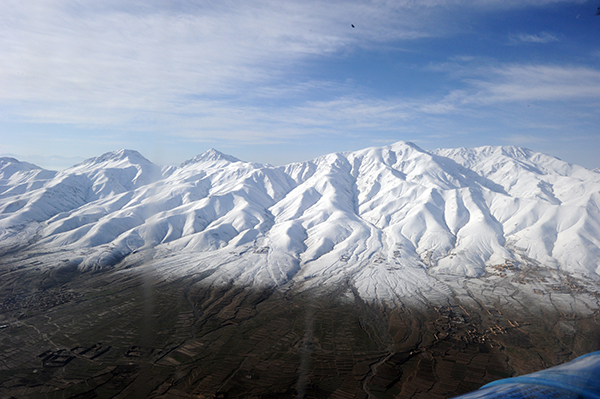
There are three main types of mountain on Earth: folded, fault blocked, and volcanic.
Mountain Types
What clues do the names of the mountain types give you about how they are formed?
Folded mountains will probably have something to do with movement of the land that involves folding of the crust. Fault blocks mountains are probably related to fault lines, and the volcanic type forms from the activity of volcanoes.
