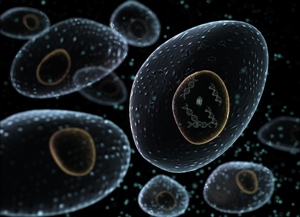
 Every organ, muscle, connective tissue, and system in our body is made up of cells. Those cells need energy as they do their work. When you eat, your digestive system breaks down your food into two simple by-products—fuel and waste. Most of that fuel is glucose, a simple sugar, which is the main source of cellular energy. Your brain cells take up the glucose and oxygen from the blood and then, through a chemical process called glucose oxidation, release energy for immediate use or once released,store it for later use.
Oxidizing the glucose is sort of like a lunch room food fight—a lot of damage and waste gets thrown around. One of the products of this process, carbon dioxide, is carried to your lungs where it and other toxins are released into the air.
What is the name of the simple sugar that is burned for fuel in your cells?
- sucrose
- dextrose
- glucose
- sucralose
Glucose is the simple sugar burned by for fuel in cells.
Glucose is the simple sugar burned by for fuel in cells.
Glucose is the simple sugar burned by for fuel in cells.
Glucose is the simple sugar burned by for fuel in cells.
When cells burn glucose, they produce waste that is toxic to the human body. What happens to that waste?
- It dissolves into the bloodstream.
- It is converted to oxygen and is released through your lungs.
- It is converted to oxygen and becomes useable energy.
- It is converted to carbon dioxide and released through your lungs.
When cells burn glucose, it is converted to carbon dioxide and released through your lungs.
When cells burn glucose, it is converted to carbon dioxide and released through your lungs.
When cells burn glucose, it is converted to carbon dioxide and released through your lungs.
When cells burn glucose, it is converted to carbon dioxide and released through your lungs.
Summary
 Questions answered correctly:
 Questions answered incorrectly:
