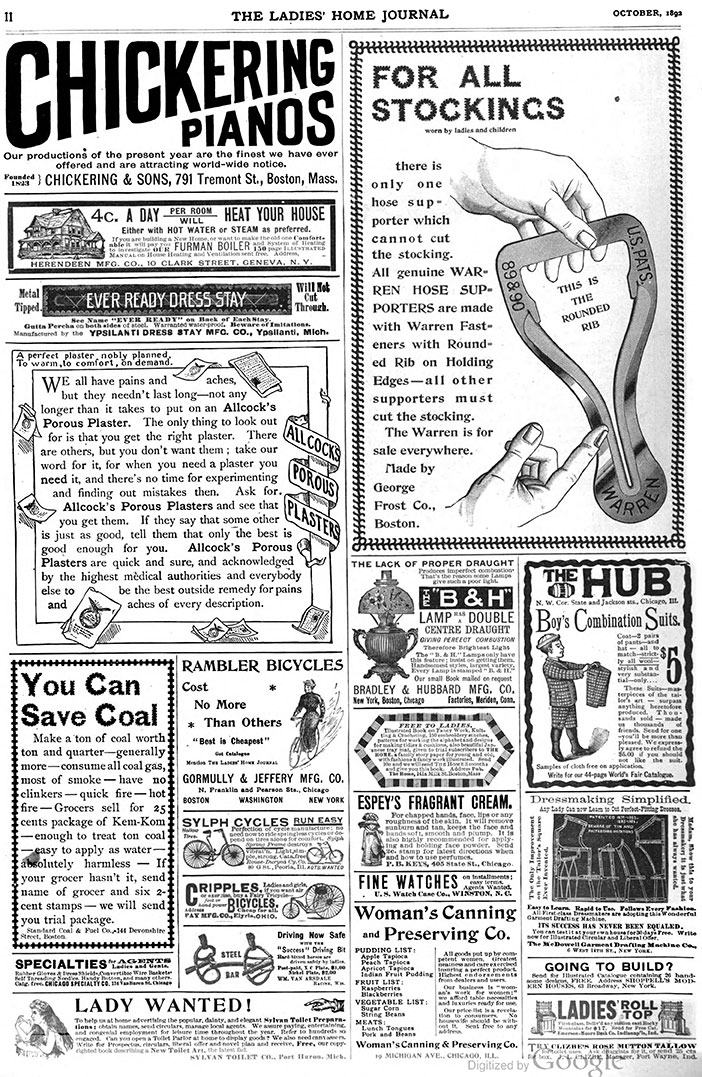
Click image to enlarge.
Consumerism in America during the 1920s increased dramatically. Many people bought the new inventions that were huge timesavers in and around the home. Cleaning and taking care of a home prior to the 1920s was a huge undertaking. Rugs had to be shaken out, clothes were handmade and hand washed, and all food was created from scratch. Even ice boxes had to be periodically refilled with ice.
The 1920s saw many inventions that made household chores much easier. Americans welcomed vacuum cleaners, electric refrigerators, and washing machines, as well as supermarkets and factory-made clothing.
To pay for all of these new inventions, Americans began using credit. Department stores were issuing installment plans so these item could be paid off over a period of time. This too would lead to ominous consequences in 1929.
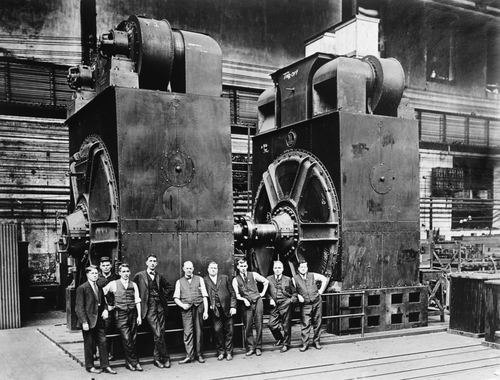
Men in suits in front of two massive electric generators in a factory, around 1920
After World War I, the American economy experienced problems readjusting to peacetime. Millions of soldiers returned, entering the labor force, and competing for jobs. Government orders for wartime goods came to a halt, forcing many companies to lay off workers. Other companies went bankrupt. Prices rose, making it hard for workers to make ends meet. This economic downturn, or recession, lasted about two years. The economy then began a steady growth that lasted most of the decade. In 1922, the nation’s gross national product, the total value of all goods and services produced, was $70 billion. By 1929, it had risen to $100 billion.
Technology made rapid industrial growth possible, and electricity powered American industry. Before World War I, only 30 percent of factories were run by electricity. By 1929, this figure had risen to 70 percent. Electricity was cheaper than steam power. By cutting costs, businesses could lower prices and increase profits.
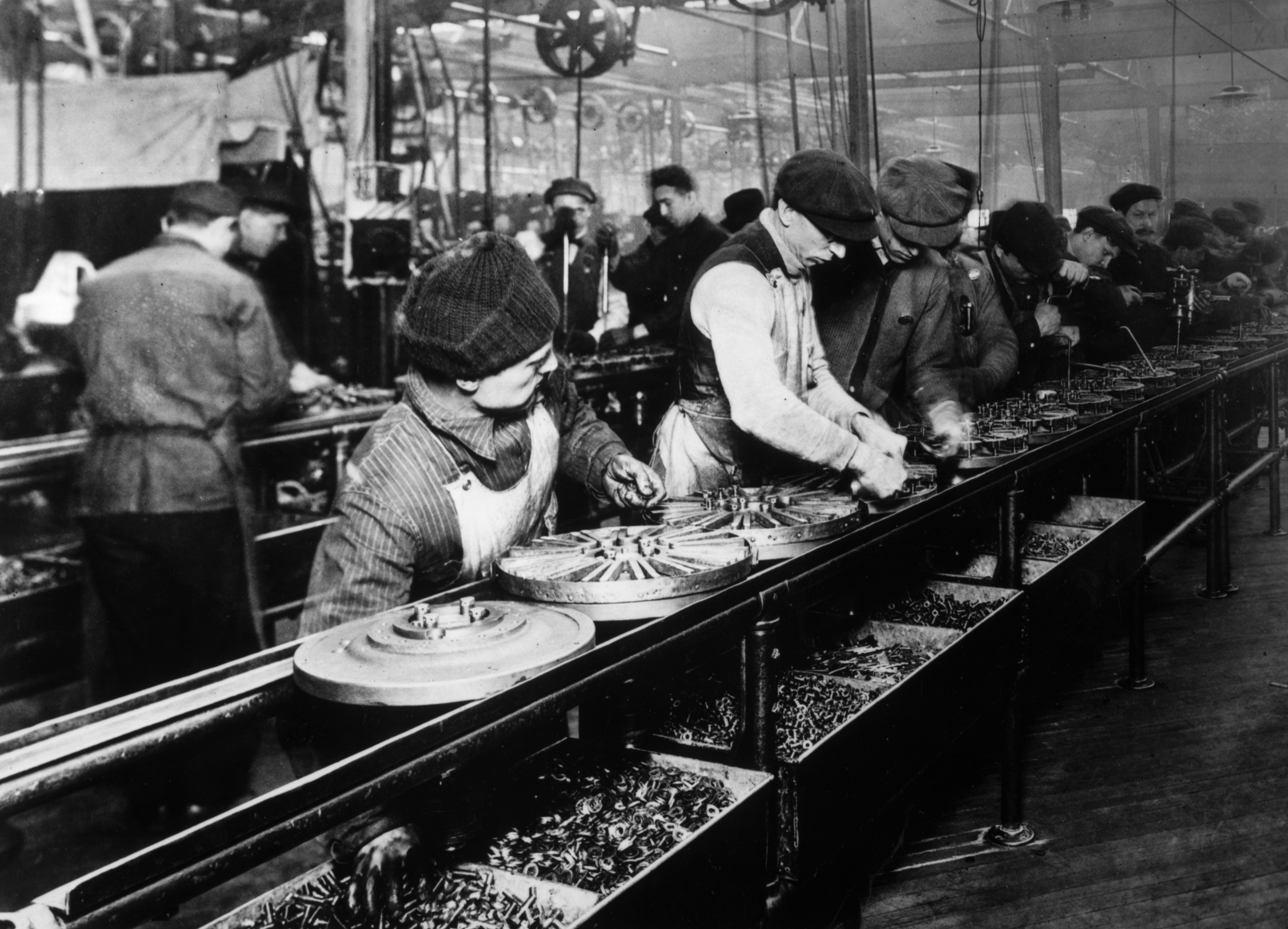
Workers on the first moving assembly line put together magnetos and flywheels for 1913 Ford autos in Highland Park, Michigan.
New ways of managing operations contributed to economic growth as well. Many employers used scientific management, hiring experts to study how goods could be produced more quickly. By adopting new work methods, businesses tried to lower costs and increase productivity, the amount of work each worker could do. Many businesses adopted mass production techniques using the assembly line, which was first introduced in Henry Ford’s automobile factories. Assembly line methods increased productivity and cut production costs.
Businesses tried to build better relations with workers. Many companies set up safety programs that lowered the risk of death or injury on the job. Some began to provide health and accident insurance. Many companies encouraged workers to buy stock in the company. These steps, known as welfare capitalism, were designed to link workers more closely to the company they worked for. Business also adopted these steps to discourage workers from joining independent unions.

A 1922 newspaper ad for Eureka vacuum cleaners
American industry changed in another way as well. As electricity became more available, demand grew for appliances using electric power. By the 1920s, more than 60 percent of American households had electricity. Consumers eagerly acquired refrigerators, stoves, vacuum cleaners, fans, and radios. As demand for these items grew, more and more of them were produced, leading to reduced production costs and lower prices. Between 1920 and 1929, for example, the cost of a refrigerator dropped from $600 to $300.
These appliances transformed daily life. People did not have to spend as much time on household chores. Now they had more leisure time. In the 1920s successful companies joined with or purchased competitors. Ford, General Motors, and Chrysler dominated the auto industry. One grocery chain, the Great Atlantic and Pacific Tea Company, or A&P, had more than 15,000 stores across the country. Businesses became national as the products of many local companies were replaced by national brands.
To market those national brands, businesses spent more and more money on advertising. Propaganda techniques learned during World War I were now used to persuade consumers to buy a particular brand of toothpaste, clothing, or soap. Newspapers and magazines were filled with ads, and with the spread of radio a new advertising form, the commercial announcement, was born. Spurred by ads to buy more and more, consumers found a new way to make those purchases: installment buying. Consumers could now buy products by promising to pay small, regular amounts over a period of time. The installment method of buying boosted consumer spending.
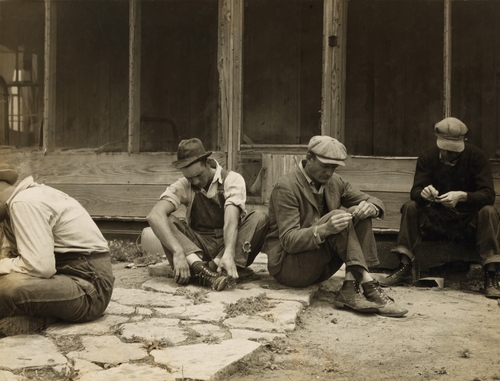
Texas tenant farmers displaced from their land by tractor farming were unemployed. In the 1930s, tractors increased efficiency and reduced the manpower needs of farming.
Despite all the signs of prosperity, many Americans did not share in the boom of the 1920s. Farmers had an especially difficult time. During the war, the federal government had purchased wheat, corn, and other products, and farmers had prospered from higher prices. When the war ended, farmers had to compete with European agriculture again. Food prices fell, and farm income plummeted. Unable to pay their debts, many farmers lost their farms.
Farmers were not the only ones feeling the pinch. Those who worked in the railroad and coal mining industries had a difficult time as trucks took business from railroads and electricity replaced coal as a power source. Americans now were buying less cotton and more clothes made of synthetic fibers. As cotton prices plunged, many textile factories were forced to shut down. Wages rose slightly for most workers, but the cost of living rose more. By 1929, nearly three-fourths of families had incomes below $2,500, the accepted level necessary for a comfortable life.
