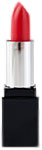
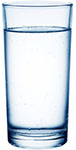
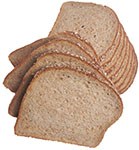
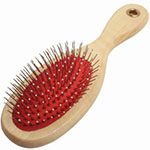
What objects help you get through the day? (Think about the objects that help you eat, drink, play, work, move around, read, and communicate.) Where were these objects made--and how? If you lived 300 years ago, where would you find these objects? Who would make them, and how?

|
|
|
|
|
|

|
Choose an item that you use regularly day to day. Do some research to find out how that object is made now, in the 21st century. Then find out how it was made before industrialization--back in, say, 1750. Create a text or visual description of each process, and also describe differences in the resulting products. What was lost and gained in the transition to industrialization and mass-production?
For this project, you will create ONE of the following: a physical or digital poster, an essay, or a multimedia presentation, such as a slideshow or video. Whatever format you choose, be sure to make clear the differences between how things were made 300 years ago and how they are made today.
The Activity sheet below should help you get your project started. It suggests some steps to use in creating your presentation. This project should take you a couple of hours to complete, so don't expect to finish it today. In fact, if you are near the end of the time period you have set aside for World History, you may need to wait until tomorrow to start the project.
When you are ready to start working on your project, click the Activity button. To see how your work on this assignment will be graded, see the Rubric below.
| Below Average | Satisfactory | Above Average | Excellent | |
|---|---|---|---|---|
| Project Requirements | Project requirements were completely missing, or the work submission was in no way connected to aims of assignment. | Very few required elements and topics appear in the project. | Most required elements and topics appear in the project. | All required elements and topics appear in the project; Processes are described in a way that fits the purpose of the project. |
| Accuracy of Information | Information was completely inaccurate, or the work submission was in no way connected to aims of assignment. | Some of the information is inaccurate or incomplete. | Most of the information is accurate, but some information is incomplete. | All of the information in the project is accurate. |
| Explanation of Differences | The work makes no attempt to explain, or the work submission was in no way connected to aims of assignment. | Project includes few attempts to explain the differences between past and present production processes. | Some of the processes or differences are explained in a way that is hard to follow. | Descriptions of differences in production processes are easy to follow. |
| Presentation of Information | Presentation includes no visual aids. | Introduction includes very few images or details, or the ones provided do not support the overall message | Some of the images or scenes do not support overall message or are not appropriate for the audience or the purpose of the project. | Project includes images or details that make message clear and interesting. |
| Citations | No citations or sources were cited or listed. | Few outside sources are cited and credited, and/or there are major errors in accepted format, such as MLA or APA | Most outside sources are cited and credited, and/or there are minor errors in accepted format, such as MLA or APA. | All outside sources are cited and credited correctly according to an accepted format, such as MLA or APA. |
