You probably use a calendar to mark the change of the seasons or to count the days until your birthday. Our calendar is based on the amount of light. Recall that seasons occur because of the Earth's tilt on its axis and its relationship to the sun. But how do plants "tell time"?
Plant "calendars" are also based on light. Special light-sensing proteins can tell the length of a plant's "night." A plant's "night" is the period of darkness a plant experiences. The length of darkness that plants sense is called a photoperiod, and a plant's reaction to periodic darkness is called photoperiodism. It might help you to think of the photoperiod as the plant's night or how long it's exposed to darkness during a 24 hour period. Remember - as the seasons change, so does the amount of daylight and darkness.
 Photoperiodism brings about physical changes in plants. One example of a physical change is flowering. Poinsettias, for example, require a twelve-hour photoperiod for their bracts (leaves) to turn from green to the bright colors shown in this photo.
Poinsettias aren't the only plant in which photoperiodism brings about a physical change. In fact, plants can be divided into three groups based on the relationship between photoperiodism and when they flower. These groups are: short-day, long-day, and day-neutral. Don't let the word "day" in these terms confuse you. Scientists first thought that plants sensed the amount of daylight in photoperiodism, and coined these terms. It was later discovered that the amount of darkness is the more important factor.
In the activity below, click each tab to read about the relationship between each plant type (short-day, long-day, and day-neutral) and photoperiodism.
Short-day plants
Long-day plants
Day-neutral plants
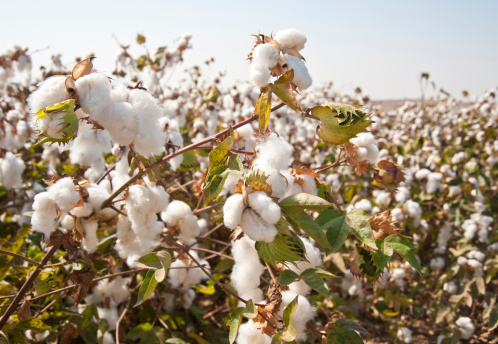
Short-day plants like the cotton plant only flower if the length of daylight is shorter than their photoperiod. In the earth's northern hemisphere, these plants will bloom in late summer or early fall (when the days are growing shorter) because the summer solstice has passed.
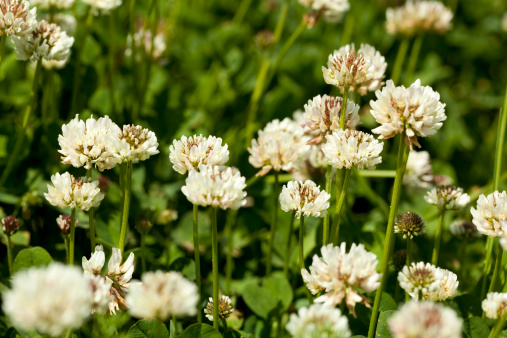
Long-day plants like the white clover only flower if the length of daylight is longer than their photoperiod. This means that these plants bloom during the late spring and early summer in the northern hemisphere, when the amount of daylight grows longer each day as the summer solstice approaches.

Day-neutral plants like roses don't rely on photoperiodism to signal when it's time to bloom. Instead, these plants flower based on maturity, temperature, or other factors.
Question
Photoperiodism brings about an important physical change in plants and is caused by a seasonal change in the amount of light that is absorbed by a plant. Read each tab in the activity above again to see if you can determine what this physical change is.
Question
Why might it be important to know if a plant is long-day, short-day, or day-neutral?
